At one in the morning, Sergeant Greg Pullman kicked open Miles Anderson’s apartment door without checking the address.
“Get on the ground, you piece of trash,” Pullman shouted, while six officers flooded the dark hallway behind him.
Miles dropped immediately and answered, “Sir, I think there has been a mistake, please check your warrant.”
“Shut your mouth,” Pullman barked, pressing a boot beside Miles’s head as the handcuffs tightened painfully around his wrists.
Miles stayed calm and whispered, “The warrant says apartment 4B, but this is apartment 4C.”
Pullman laughed coldly and replied, “Then file a complaint when you finally crawl out of here.”
For forty minutes, officers tore through the apartment, searching every drawer, cushion, shelf, cabinet, and locked box.
Family photographs crashed onto the floor as one officer emptied a bookshelf without showing any concern.
Miles watched silently while his belongings scattered everywhere, wondering how nobody had noticed their obvious mistake.
Finally, an officer returned empty-handed and said, “Nothing here, Sergeant, no drugs, weapons, or anything suspicious.”
Pullman shrugged and answered, “Better safe than sorry, that’s the job, now stop complaining.”
Miles slowly stood, rubbing his wrists before looking directly at the sergeant with an unexpectedly steady expression.
“You never checked the address,” Miles said quietly, “and you destroyed my home because nobody bothered reading carefully.”
Pullman stepped closer and sneered, “You think paperwork is going to save you from this?”
Miles reached toward the scattered documents on his desk and calmly lifted a federal identification badge.
The room suddenly became silent when the badge revealed Miles Anderson, assistant United States attorney.
Pullman’s expression changed instantly as Miles added, “I have prosecuted law enforcement misconduct for fifteen years.”
One officer whispered, “Sergeant, we need to leave,” but Pullman remained frozen beside the broken doorway.
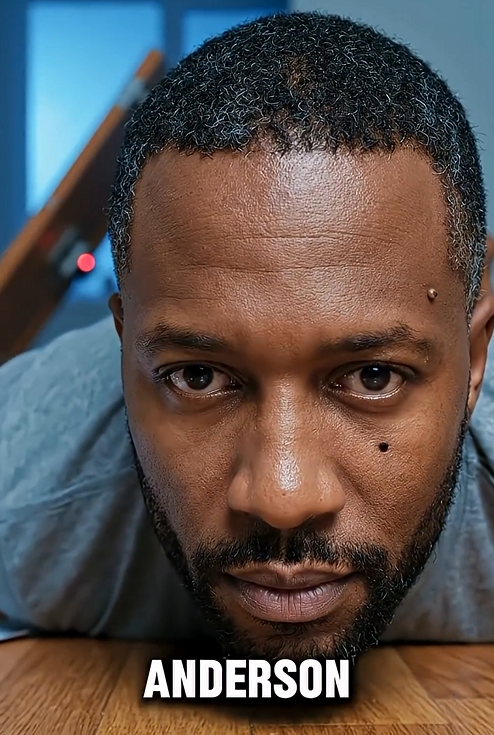
Miles pointed toward the small camera above his entrance and said, “Every second of this raid was recorded.”
The red indicator continued blinking, capturing every insult, threat, broken object, and careless mistake inside the apartment.
“Those recordings will be preserved,” Miles continued, “along with your warrant, which clearly names apartment 4B.”
Pullman finally stammered, “We can explain this,” but Miles answered, “You should have explained it before entering.”
Within minutes, federal investigators were contacted, and the officers suddenly realized their mistake was far bigger than expected.
Before sunrise, Pullman was suspended pending investigation, while every officer involved faced immediate disciplinary review.
By the end of the week, several officers were terminated, and the department abandoned its reckless raid policy.
The case reached federal court, where Miles stood quietly while officials examined the evidence gathered during that night.
Then Miles looked across the courtroom and said, “Nobody should need a badge before you treat them like humans.”
The courtroom fell silent as the judge nodded, because respect costs nothing, but disrespect always sends the bill.