WASHINGTON — President Donald Trump’s administration has escalated its push to disentangle the United States from international organizations viewed as adverse to American interests, imposing sweeping new sanctions on the International Criminal Court (ICC) on Friday. The measures mark a significant escalation in a protracted dispute over national sovereignty and international jurisdiction.
The latest sanctions aim to sever the Hague-based tribunal from U.S. financial services, commercial technology vendors, and dollar-denominated transactions. According to The Washington Post, entities and companies currently conducting business with the court have been granted a six-month transition period to wind down and terminate those relationships. In addition, the administration warned of potential secondary penalties for foreign nations that continue dealings with the tribunal.
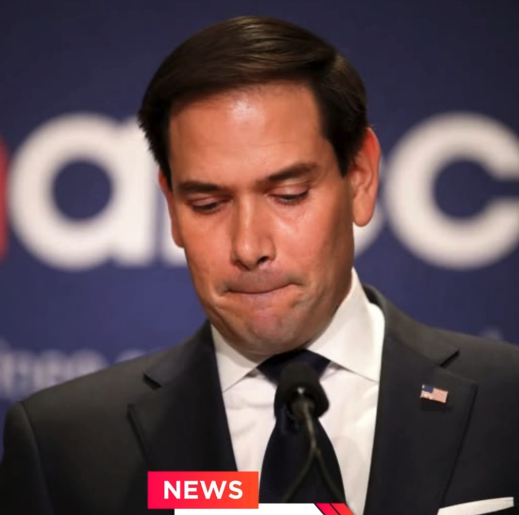
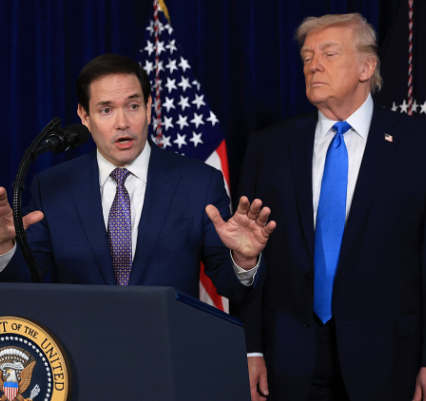
Secretary of State Marco Rubio framed the move as an essential defense of American constitutional sovereignty, stating that Washington would prohibit transactions involving the ICC to limit its ability to operate against the United States. Rubio characterized the ICC as a "rogue institution" and asserted that it must cease what the administration regards as threats to non-member sovereign nations.
The ICC rejected the measures, warning that the sanctions risk disrupting its operations and intimidating cooperating staff. In a formal statement, the court characterized the U.S. action as an unprecedented assault on international law and the global framework holding perpetrators of mass atrocities accountable.
Conflict Over Jurisdiction and Sovereign Authority
The standoff reflects a fundamental clash of legal principles. Neither the United States nor Israel is a party to the Rome Statute, yet ICC prosecutors have pursued investigations and warrants that implicate nationals of non-member states.
Officials in the Trump administration contend that the court exceeds legitimate legal authority when asserting extraterritorial jurisdiction over non-signatory nations. From the American legal perspective, allowing an unelected international tribunal to assert punitive authority over U.S. personnel and officials poses direct constitutional and sovereign concerns.
Conversely, proponents of the ICC—which was established in 2002 to prosecute genocide, war crimes, and crimes against humanity—argue that the court serves as an indispensable court of last resort when domestic legal systems are unable or unwilling to investigate serious international crimes.
The latest sanctions represent an institutional escalation. While the administration previously sanctioned individual officials—including the ICC's president and a senior trial prosecutor in August—Friday's directives target the court's core operational infrastructure. The measures could directly jeopardize payroll systems, specialized software licensing, and general commercial contracts linked to American companies, depending on enforcement guidelines established over the six-month grace period.
Diplomatic Fallout Among Key Allies
The announcement drew immediate pushback from several of Washington's closest international partners. Eight key U.S. allies—Canada, Denmark, France, Germany, Italy, Japan, the Netherlands, and the United Kingdom—issued a joint communique reaffirming their commitment to the court. The coalition warned that unilateral sanctions jeopardize the court's legal mandate and place personnel and their families at risk.
This response poses a diplomatic challenge for Washington. While the United States wields considerable leverage through control of its domestic financial system, allied capitals may resist pressure to isolate the tribunal, leaving multinational financial institutions to weigh their relationships with the court against access to U.S. markets.
The ICC affirmed that it will continue pursuing its mandate despite U.S. measures, while human rights organizations, including Amnesty International, urged international governments to protect the institution's independence. Conversely, supporters of the administration argue that preserving national sovereignty must take precedence over the assertions of international tribunals operating without domestic democratic accountability.
The sanctions were unveiled shortly after former ICC judge Navi Pillay was awarded the Nobel Peace Prize for her extensive career in international human rights and transitional justice. Pillay has previously chaired a United Nations commission of inquiry examining Israeli military conduct in Gaza—actions the Trump administration has sharply condemned, reiterating that Israel, like the United States, falls outside the ICC's treaty jurisdiction.
The central policy debate now centers on whether financial isolation will alter the court’s posture or primarily deepen fractures between Washington and its closest treaty allies, while forcing national security planners to manage the fallout across broader multilateral priorities.